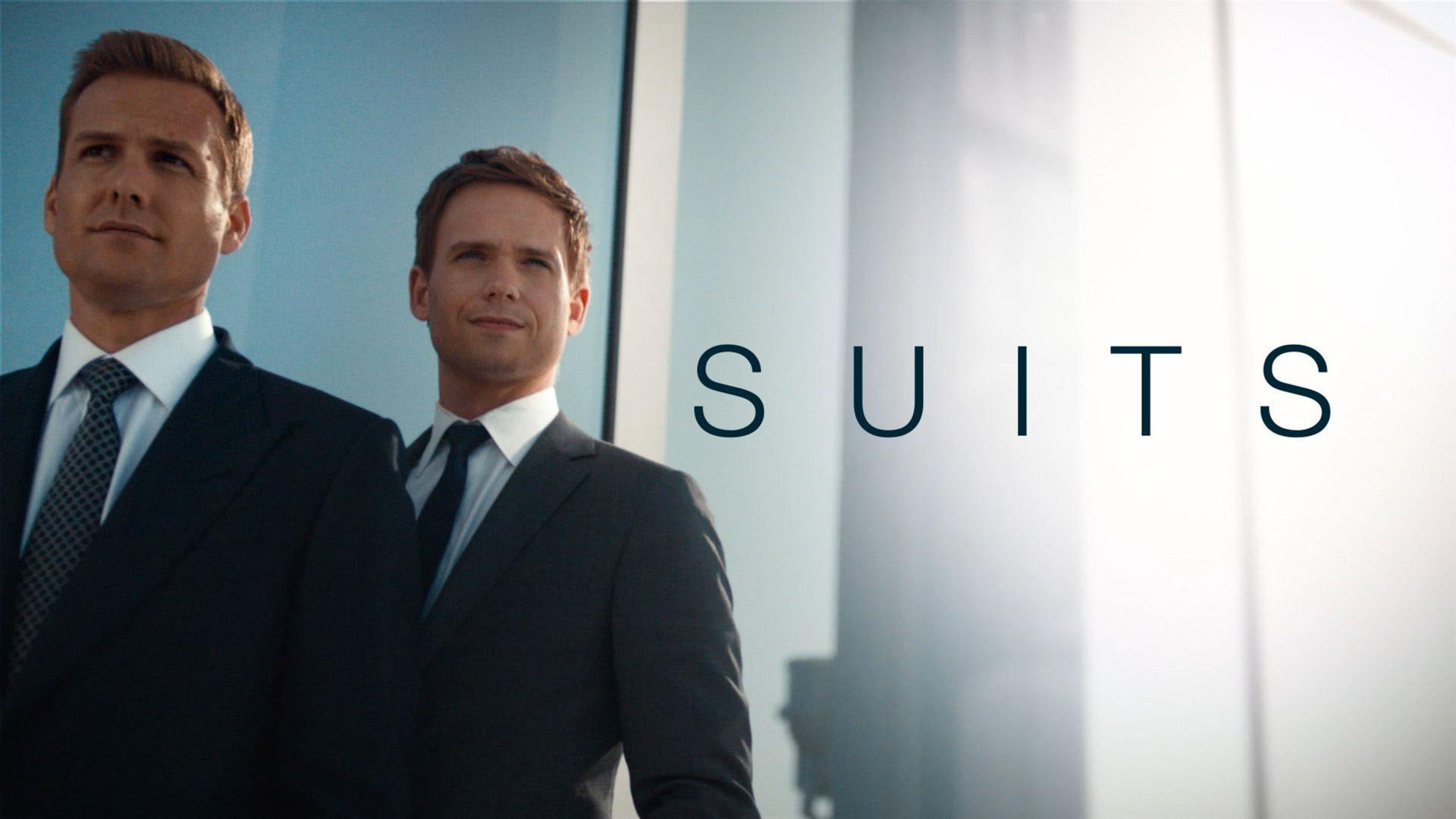
In the world of television, few series have captured the perfect blend of drama, wit, and intrigue like Suits. While the original series aired from 2011 to 2019, its legacy continues to inspire fans across the globe. Even with spin-offs like Suits: LA in 2025, the story of ambition, loyalty, and moral dilemmas in the cutthroat world of corporate law remains as compelling as ever. This cinematic-style analysis delves into what makes Suits a timeless legal drama and why fans are eager for any new chapter, even if rumors of a 2026 series remain unconfirmed.
The Heart of Suits: Characters Who Define the Show
At the core of Suits are its characters. Harvey Specter, portrayed by Gabriel Macht, is not just a lawyer; he is an icon of confidence and sophistication. Sharp-witted, impeccably dressed, and always two steps ahead, Harvey embodies the perfect lawyer fantasy. His charm is magnetic, but beneath the surface lies complexity—his loyalty to his firm, friends, and the occasional moral compromise create tension and depth.
Opposite him stands Mike Ross, played by Patrick J. Adams. Mike is a prodigy without a law degree. He memorizes law books and procedures with astonishing accuracy, yet he navigates life’s moral grey areas with a human touch. The chemistry between Harvey and Mike drives the narrative. It is a story of mentorship, trust, and the constant question: How far would you go to protect someone you believe in?
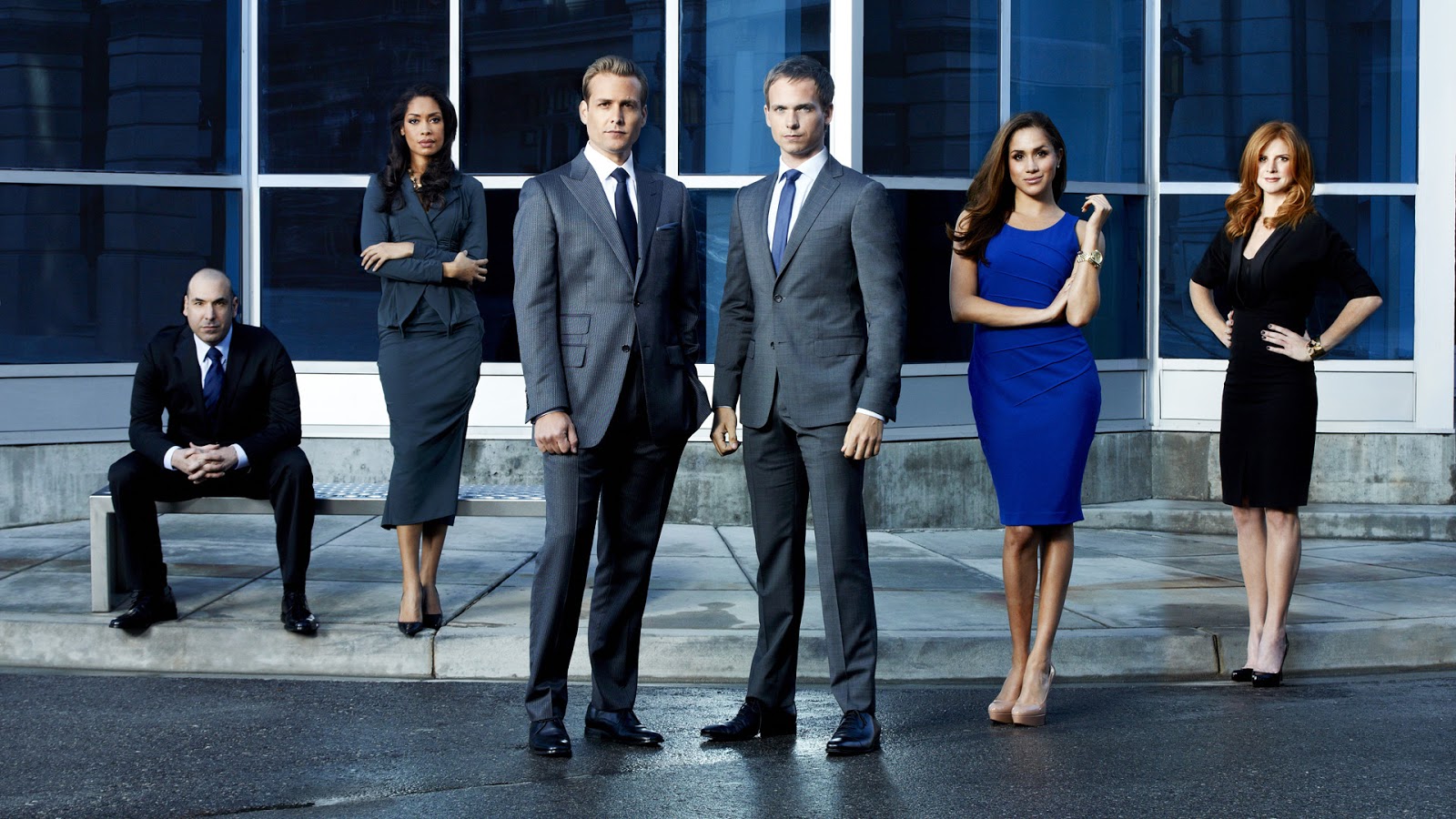
Other characters, like Louis Litt, Donna Paulsen, and Jessica Pearson, enrich the tapestry. Louis is flawed, ambitious, yet deeply human—a character whose insecurities make him relatable. Donna, with her sharp intelligence and emotional insight, is more than an assistant; she is the moral compass in a world often dictated by profit. Jessica Pearson, commanding and regal, reminds viewers of the power and responsibility inherent in leadership. Each character feels real, making the legal drama resonate beyond the courtroom.
The Visual Language: Cinematic Storytelling in Suits
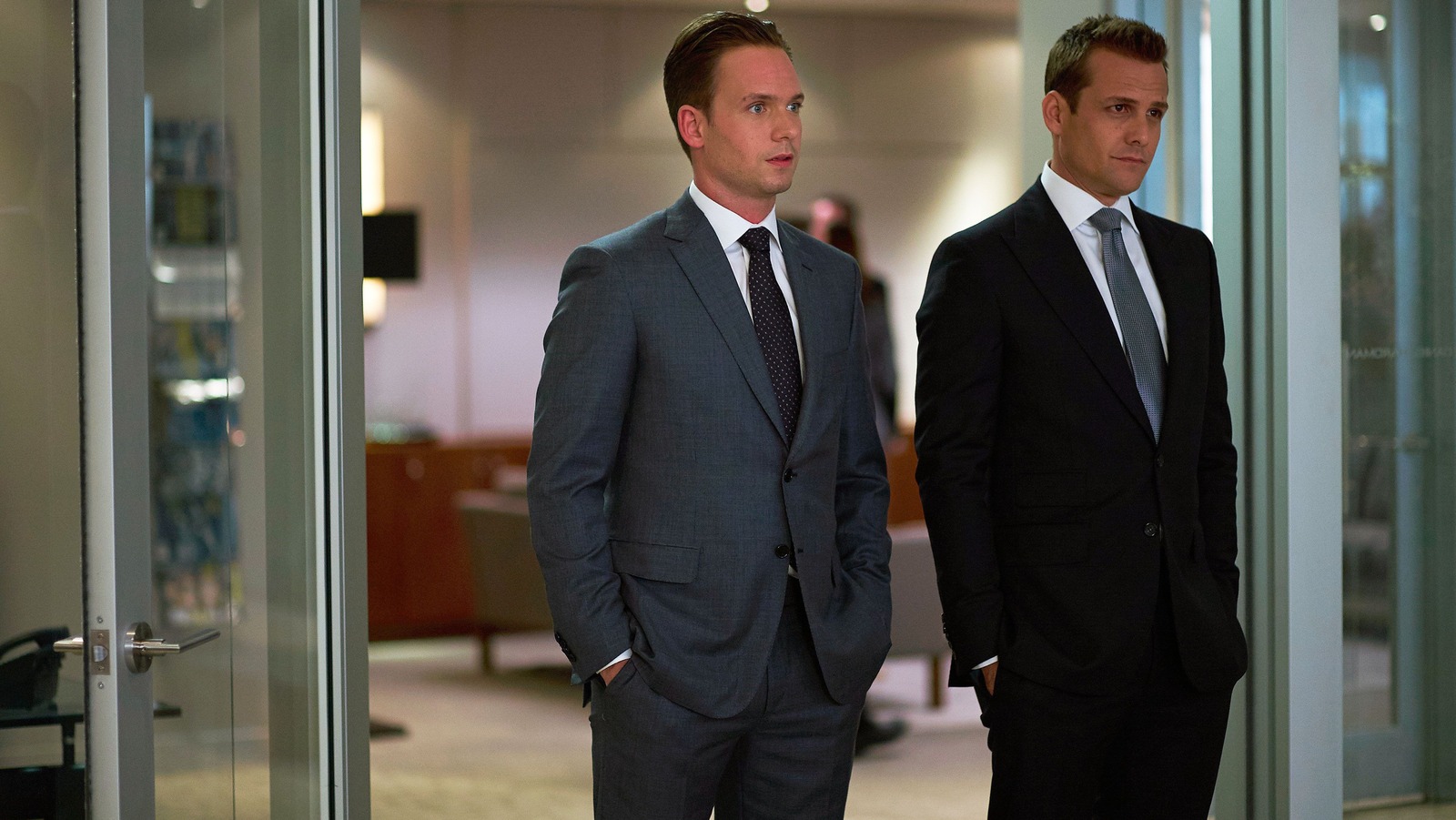
Suits excels not only in dialogue but also in visual storytelling. Scenes are framed with cinematic precision. The gleaming skyscrapers of New York set the tone for ambition and high stakes. The office itself, with glass walls and polished surfaces, symbolizes transparency—or sometimes the lack thereof. Every shot conveys power dynamics: a close-up of Harvey’s smirk, a slow pan across a tense meeting, or the subtle gestures between characters hinting at secrets yet to be revealed.
Lighting and color palettes reinforce mood. Warm, golden tones appear in moments of triumph or camaraderie. Cooler blues and grays dominate during conflicts, creating a visual rhythm that matches the story’s emotional beats. This meticulous attention to visual detail makes each episode feel like a mini film, rather than a conventional TV show.

Themes That Transcend Time
At its core, Suits is about more than law; it is about human ambition, ethics, and the choices we make. Themes of loyalty, deception, and personal growth recur throughout the series. Every case handled by the firm reflects not just legal challenges but also moral dilemmas. The show often asks viewers to consider what success means: Is it the accumulation of power, the protection of others, or the courage to act rightly even when it costs you?
Spin-offs like Suits: LA expand on these themes. Set in the vibrant, complex landscape of Los Angeles, the show explores similar questions in a different cultural and professional environment. Here, ambition intersects with the entertainment industry, adding fresh layers of intrigue while retaining the essence of the original series. Fans may miss the New York skyline, but the storytelling remains faithful to the franchise’s DNA.
Dialogue and Writing: A Fast-Paced Narrative
The writing in Suits is crisp and fast-paced. Dialogue is sharp, witty, and often laced with humor. Exchanges between Harvey and Mike feel like verbal duels—every line counts, every pause deliberate. Legal jargon is balanced with plain English, ensuring accessibility for viewers without a law background. Short sentences, clever comebacks, and emotional honesty create tension and keep audiences engaged.
This economy of language mirrors cinematic storytelling. In film, every frame matters. In Suits, every word matters. Characters reveal themselves through dialogue, body language, and small, telling actions. The result is a series that feels immediate and immersive, much like watching a legal thriller unfold on the big screen.
The Emotional Core: Beyond Courtrooms
While Suits dazzles with legal maneuvers and boardroom battles, its true strength lies in emotional storytelling. Relationships are central. Harvey and Mike’s bond, though professional, becomes deeply personal. Conflicts between characters often highlight their vulnerabilities, fears, and ambitions. Love, friendship, and betrayal are all explored with nuance, providing balance to the high-stakes legal drama.
Moments of quiet reflection punctuate the fast-paced narrative. A character staring out at the skyline, a handwritten note, or a subtle gesture conveys more than pages of dialogue could. These cinematic moments elevate Suits from mere procedural to storytelling with heart.
Why Fans Are Eager for More
Even though Suits ended in 2019 and Suits: LA was short-lived, the appetite for new stories remains. Fans continue to rewatch episodes, analyze character arcs, and speculate about potential continuations. The universe’s themes—ethics, ambition, loyalty—are timeless, ensuring the series remains relevant.
Rumors of a 2026 revival capture imaginations, even if unconfirmed. The combination of iconic characters, gripping storylines, and cinematic presentation makes any new content highly anticipated. Fans are drawn to the possibility of revisiting Harvey’s confidence, Mike’s ingenuity, and the moral questions that made the series compelling.
Conclusion: A Legal Drama for the Ages
Suits is more than a show about lawyers—it is a cinematic experience that blends intellect, emotion, and visual storytelling. Its characters are unforgettable, its dialogue sharp, and its themes universal. Whether through the original series or spin-offs like Suits: LA, the franchise exemplifies the power of television to craft stories that resonate across time and place.
For viewers seeking drama, humor, and a glimpse into the complex world of corporate law, Suits delivers in every episode. Its blend of style, substance, and emotion ensures it will remain a touchstone of legal drama, captivating new audiences and longtime fans alike.
Even in 2026, the allure of Suits—its wit, its tension, its humanity—continues to captivate. The law may be cold, but the stories it inspires are anything but.