
The Passenger (2026) emerged as one of the most surprising and successful horror films of the decade. Released quietly in early summer, the film quickly gained momentum through strong word of mouth, viral audience reactions, and critical praise. Directed by André Øvredal, known for his mastery of atmospheric horror, The Passenger proved that modern audiences still crave slow-burn tension, psychological depth, and emotionally grounded storytelling.
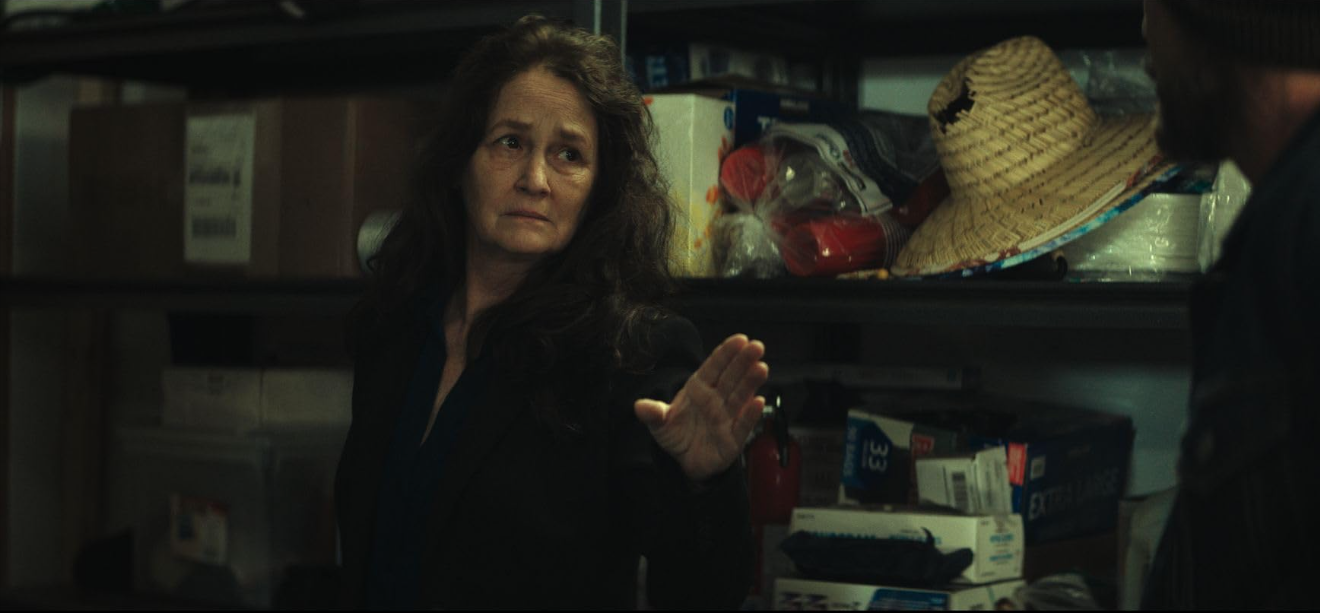
At its core, The Passenger tells the story of a young couple embracing the freedom of van life, traveling across isolated highways in search of escape and simplicity. Their journey takes a horrifying turn after they witness a fatal roadside incident. What initially feels like an unfortunate accident soon evolves into a relentless nightmare, as an unseen presence begins to follow them wherever they go. The film never rushes to explain the threat, choosing instead to let fear grow naturally through suggestion and atmosphere.

From a box-office perspective, the film exceeded early projections. Opening weekend numbers were modest but encouraging, and within two weeks, The Passenger saw a sharp increase in ticket sales. Horror fans praised its originality, while general audiences were drawn in by social media buzz describing it as “deeply unsettling” and “impossible to forget.” This organic growth turned the film into a sleeper hit, solidifying its commercial success.

Critically, the film earned widespread acclaim for its restraint. Øvredal avoids excessive jump scares and instead relies on long silences, minimal music, and carefully framed shots. This approach creates an almost suffocating sense of dread, making viewers feel trapped alongside the characters. The road itself becomes a character — endless, empty, and unforgiving.
Performances also played a major role in the film’s success. The lead actors deliver emotionally raw portrayals, capturing fear, guilt, and desperation with remarkable authenticity. Their believable chemistry grounds the supernatural elements, ensuring that the horror never feels detached from reality.
Ultimately, The Passenger succeeded because it trusted its audience. By refusing to over-explain and by prioritizing mood over spectacle, the film redefined what mainstream horror could achieve. It stands as a landmark example of how simplicity, when executed with precision, can be far more terrifying than excess.