
Night Hunter (2026) presents a thriller that is less interested in chasing a killer than in understanding the cost of hunting one. From its opening moments, the film positions its protagonist not as a hero, but as a man slowly consumed by the methods he once used to protect others.
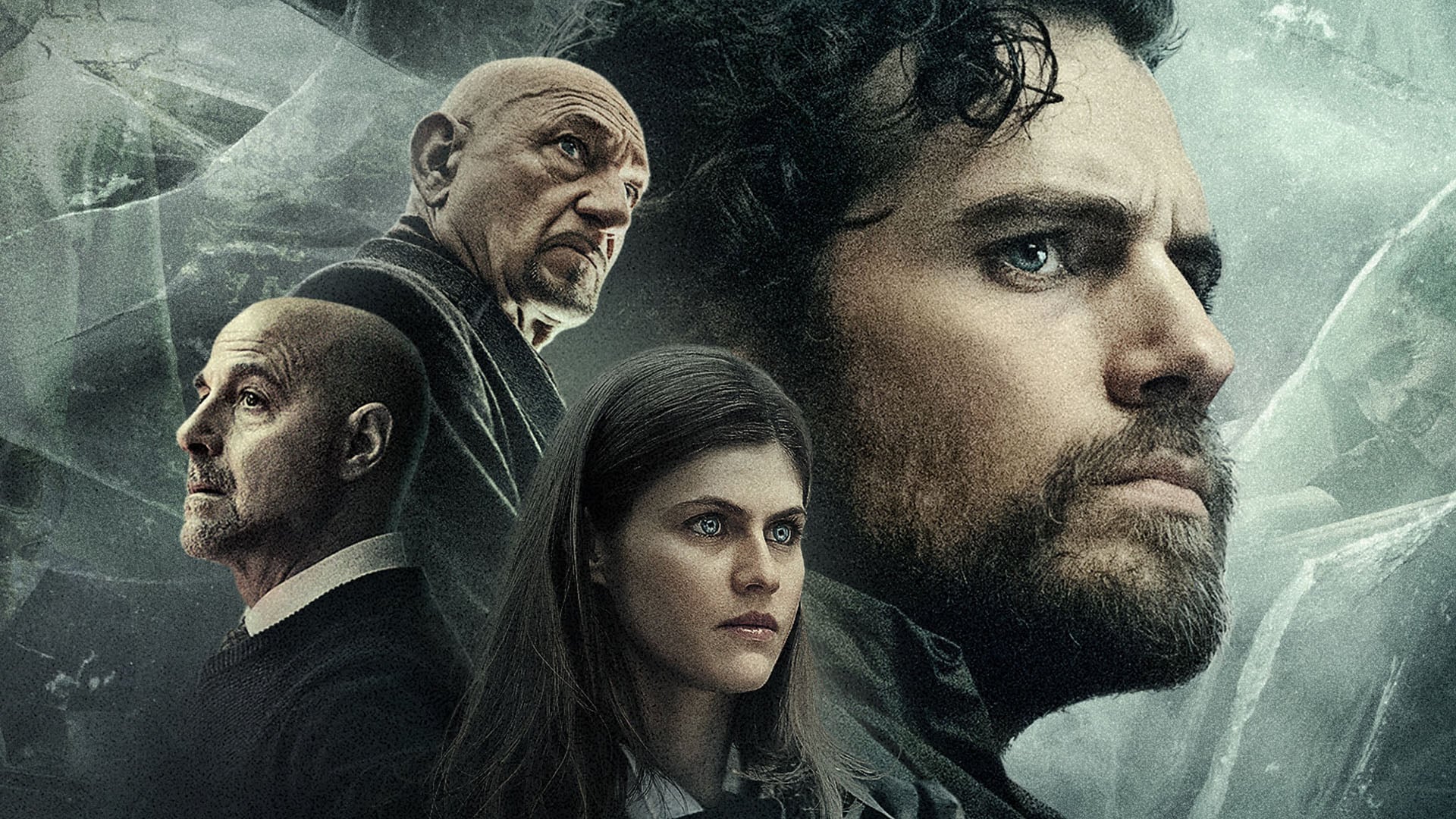
The central character is a veteran investigator whose career has been defined by prolonged exposure to violent crime. Years of undercover work have trained him to read criminal behavior with unsettling precision. He knows how predators think because, at times, he had to become one. The film explores this psychological fracture with restraint, allowing silence and body language to reveal what dialogue never states directly.
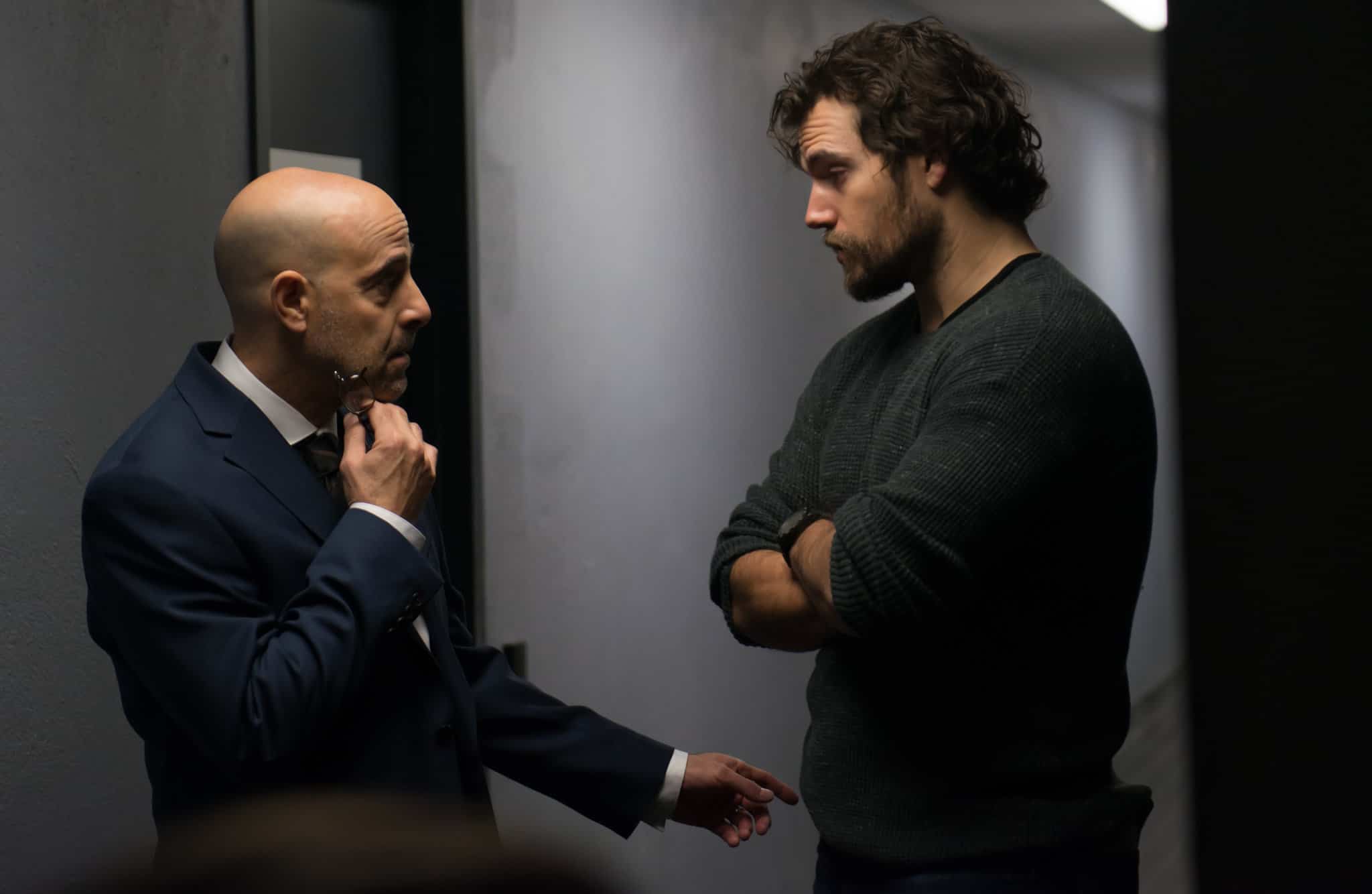
When a series of murders begins to mirror tactics from the investigator’s past, the story shifts from pursuit to self-examination. Each crime scene feels personal, as if someone is reenacting the darkest chapters of his career. The question driving the narrative is not simply “Who is the killer?” but “Why does this feel familiar?”
The city in Night Hunter reflects the protagonist’s inner decay. Shot in cold tones and shadow-heavy compositions, urban spaces feel hostile and indifferent. Streets are empty, windows are dark, and every reflection suggests surveillance. The film understands that fear is not created by violence alone, but by anticipation.
A young behavioral analyst is introduced as a counterweight to the hunter’s worldview. She believes in systems, accountability, and limits. Their interactions are subtle but charged, exposing generational differences in how justice is defined. Through her, the audience questions whether experience is wisdom—or simply exhaustion.
As the investigation deepens, the film resists offering easy answers. The killer’s motivations are disturbingly logical, rooted in a warped sense of justice rather than chaos. This forces the protagonist to confront an uncomfortable truth: the line separating him from the criminal may be thinner than he wants to admit.
In its final act, Night Hunter (2026) avoids traditional catharsis. Resolution comes not through triumph, but through reckoning. The hunter survives, but survival feels hollow. The film leaves viewers with a haunting realization—darkness does not need to defeat you to change you. Sometimes, it only needs your cooperation.