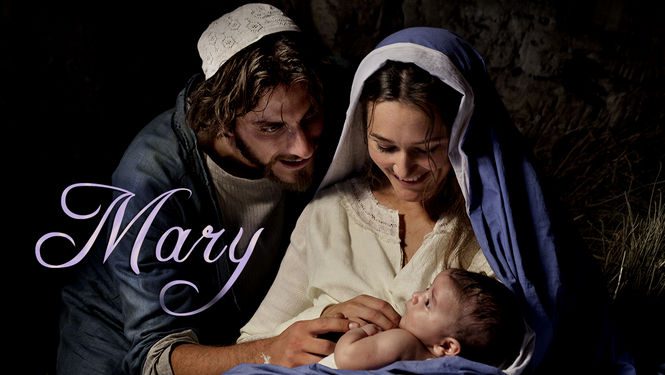
Biblical stories often focus on miracles. However, Mary of Nazareth (2026) chooses a different path. Instead of spectacle, the film highlights fear, doubt, and courage. As a result, the story feels close and human rather than distant and sacred.
In this historical drama, Mary lives under Roman rule in ancient Judea. At first, she appears like any other young woman in her village. She helps her family, speaks softly, and follows tradition. However, everything changes when she receives a message that will alter her life forever.
Alissa Jung plays Mary with quiet strength. She does not rely on dramatic speeches. Instead, she shows emotion through her eyes and subtle expressions. Because of this, the audience connects deeply with her internal struggle. She does not accept her destiny easily. Rather, she questions it. She fears it. Yet, step by step, she grows into it.
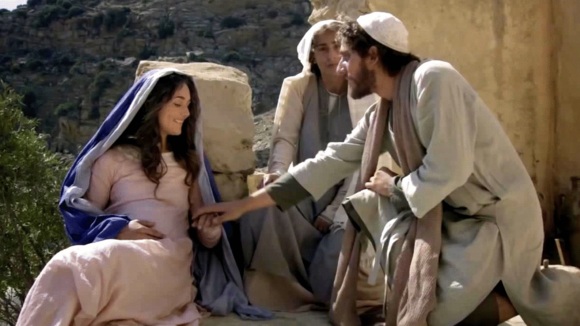
Meanwhile, Oscar Isaac portrays Joseph as a man caught between pride and love. At first, he feels confusion and pain. After all, the news threatens his reputation and future. However, instead of turning away, he chooses compassion. Therefore, his character becomes the emotional anchor of the story. Isaac avoids exaggeration. Instead, he brings warmth and restraint to the role.
In addition, Emma Watson plays Elizabeth as a steady source of comfort. Through her conversations with Mary, the film explores trust and shared faith. For example, Elizabeth reminds Mary that courage often grows slowly. These scenes create balance and emotional relief.
Beyond the personal drama, the film shows a tense political climate. Roman soldiers patrol the streets. Markets buzz with fear. Religious leaders debate prophecy. As a result, Mary’s pregnancy carries social danger as well as spiritual meaning. People whisper. Neighbors judge. Suspicion spreads quickly.
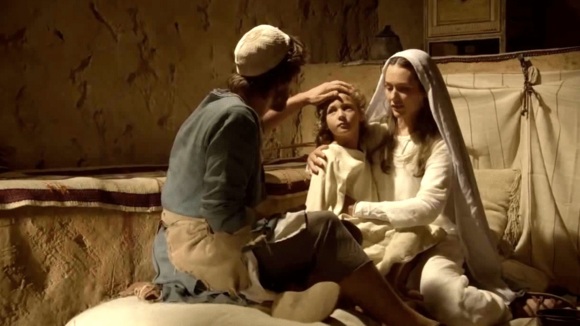
Therefore, the journey to Bethlehem feels urgent. Dust fills the air. The road stretches endlessly. Although the couple faces exhaustion, they continue forward. The director uses wide desert shots to show isolation. At the same time, close-up shots capture trembling hands and tired faces. This contrast strengthens the emotional impact.
When the birth scene arrives, the film avoids grand spectacle. Instead, it focuses on human detail. Mary struggles. Joseph supports her. The moment feels raw and real. Consequently, the miracle feels grounded rather than theatrical.
Ultimately, Mary of Nazareth tells a story about trust in uncertain times. It asks simple but powerful questions: What does courage look like? How do we protect hope when the world feels unstable? Because the film focuses on emotion rather than special effects, it speaks clearly to modern audiences.
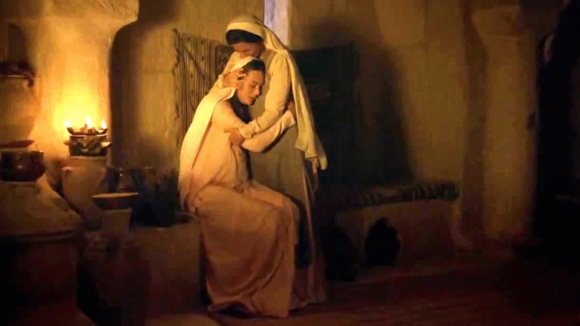
In the end, Mary’s strength does not come from power. Instead, it comes from endurance. She chooses faith even when fear surrounds her. Therefore, her journey becomes both personal and universal.
⚠️ Clarification
The film described above is a fictional creative concept. At this time, there is no confirmed 2026 production titled Mary of Nazareth starring Alissa Jung, Oscar Isaac, and Emma Watson. This article presents an imaginative scenario and should not be mistaken for an official announcement.