The New Frontier Is Not Land — It Is Power
In the mythology of America, the frontier has always been a place of reinvention. Cowboys, pioneers, oilmen — each generation redraws the boundary between survival and ambition. LANDMAN understands this myth better than most modern television dramas. It does not romanticize the frontier. It exposes it.
Set against the vast, unforgiving landscapes of West Texas, Landman redefines the Western for the 21st century. Horses have been replaced by pickup trucks. Six-shooters by contracts. Violence no longer comes from duels, but from decisions made behind closed doors.
At the center of it all stands Tommy Norris.

Tommy Norris: A Man Built by a Ruthless Industry
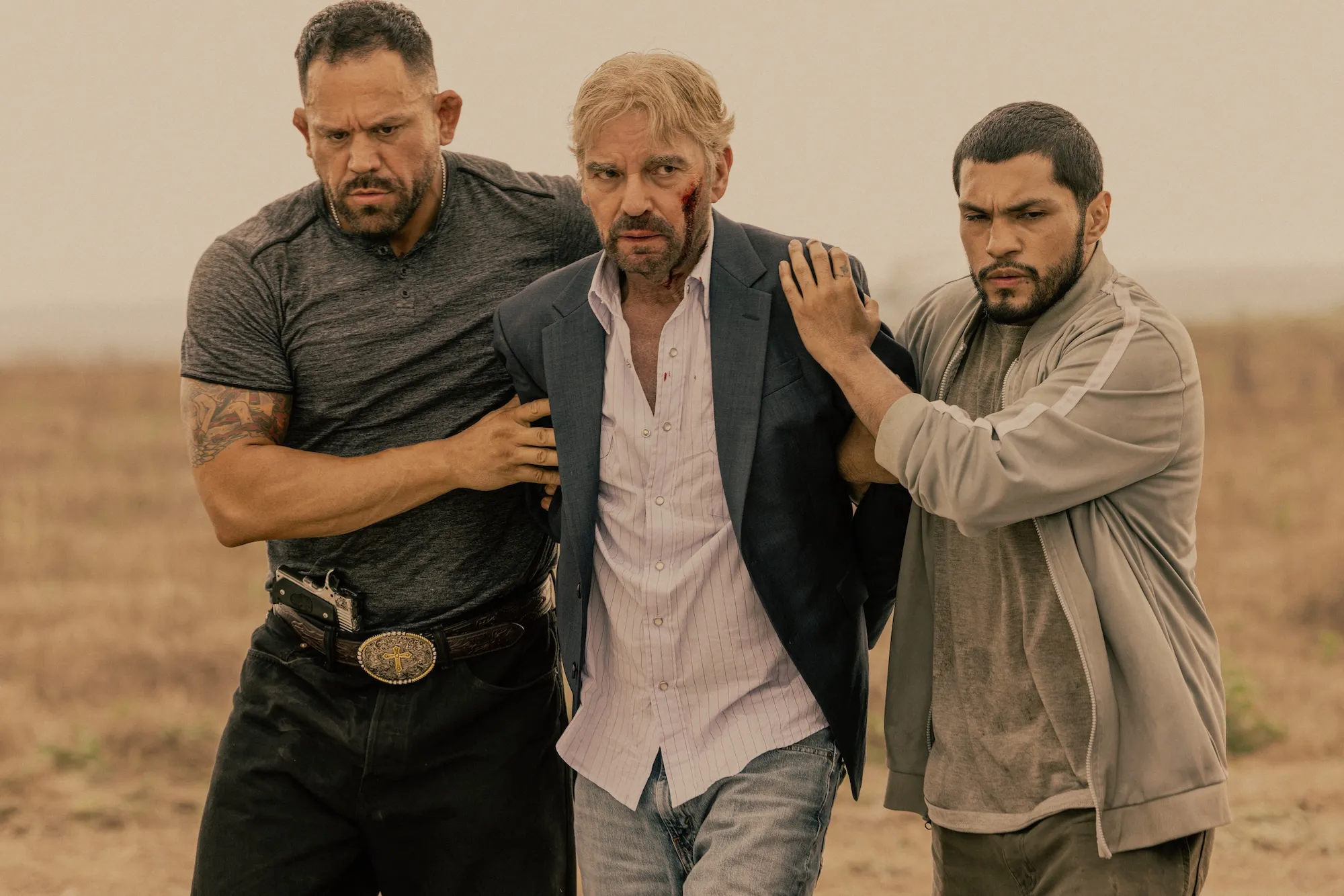
Billy Bob Thornton’s Tommy Norris is not a hero in the traditional sense. He is a survivor — shaped, hardened, and scarred by the oil business. As a landman, Tommy exists in a moral gray zone, negotiating mineral rights, navigating corporate greed, and absorbing the human cost of extraction.
What makes Tommy compelling is not his intelligence or toughness, but his exhaustion. Thornton plays him as a man who has seen too much to believe in purity, yet too human to abandon conscience entirely.
Every deal Tommy makes carries weight. A signature can determine whether a family prospers or loses everything. A conversation can spark prosperity — or bloodshed. Landman treats these moments not as plot devices, but as moral pressure points.
Oil as Modern Gold
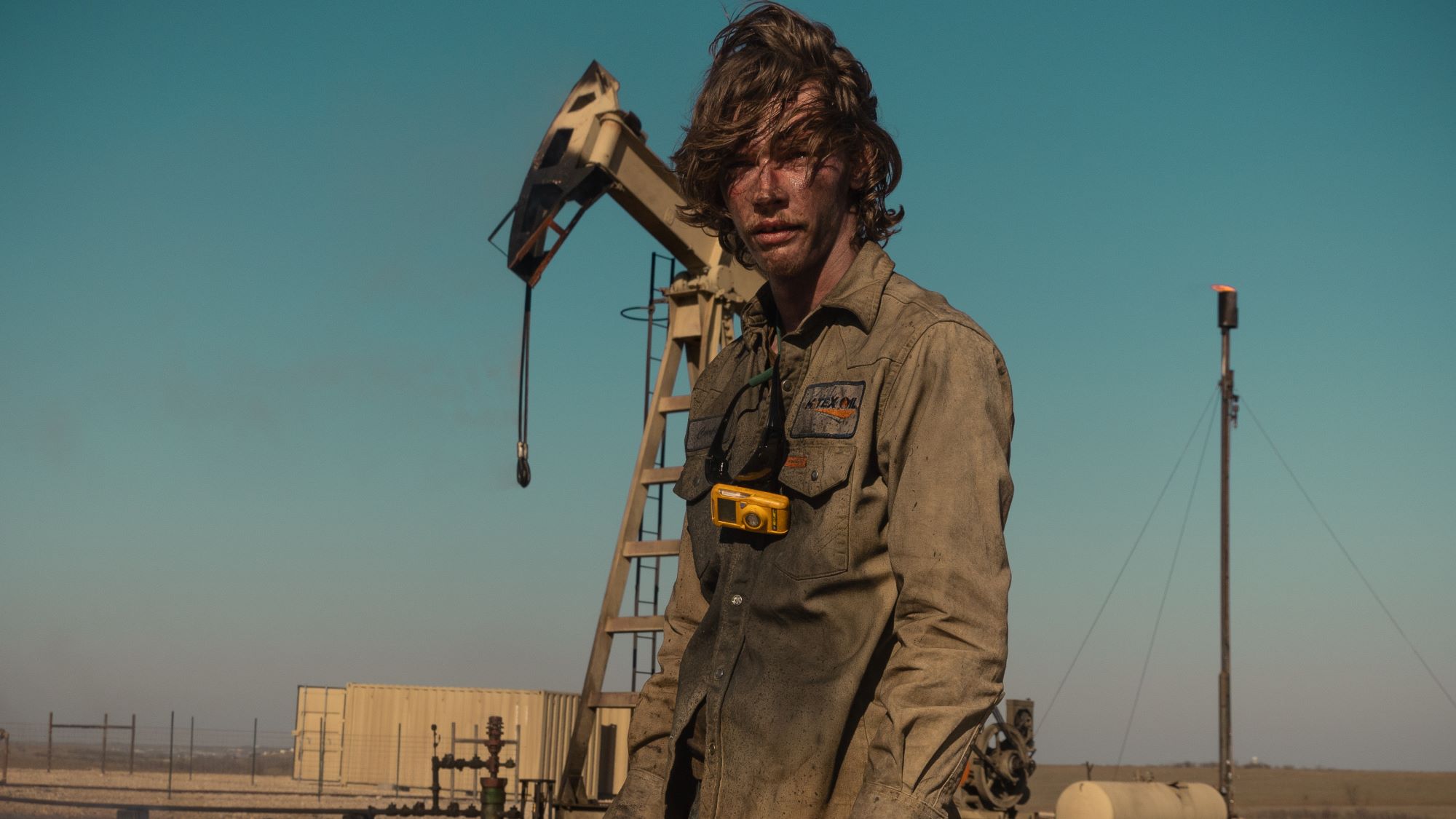
Landman frames oil as the last great American obsession — a resource that fuels progress while poisoning the ground beneath it. The series refuses to simplify the debate. Environmental destruction exists alongside economic necessity. Corporate exploitation collides with individual survival.
Taylor Sheridan’s storytelling excels here. He does not preach. He presents reality and lets the audience wrestle with it.
In Landman, oil is not evil. It is indifferent. The danger lies in how humans chase it.
A Western Without Illusions
Visually, the series embraces harsh sunlight, open land, and industrial intrusion. Drilling rigs puncture the horizon like monuments to ambition. Silence stretches longer than dialogue. When violence erupts, it feels abrupt, almost casual — mirroring how normalized risk has become in this world.
This is not nostalgia. It is confrontation.
Conclusion
LANDMAN is a story about America’s newest frontier — one where power is traded, not won, and where the land itself remembers every decision made upon it.
The question is no longer who owns the land.
It is who is willing to live with what ownership costs.