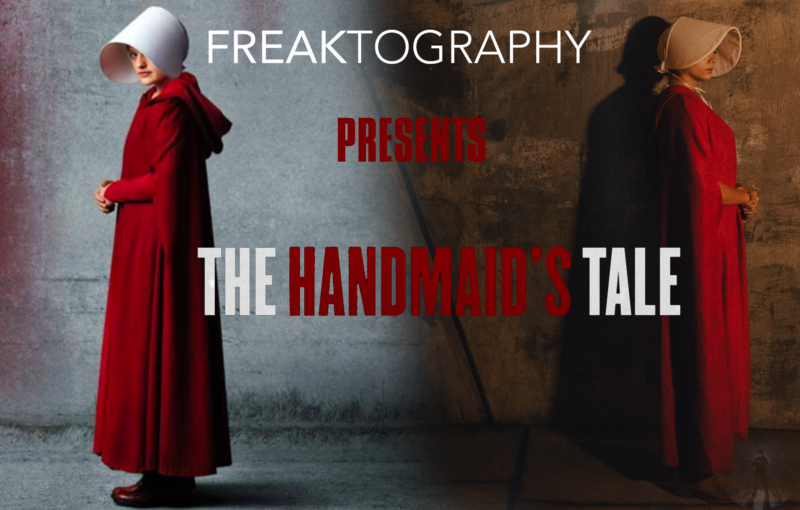
When The Handmaid’s Tale first premiered, it did not simply arrive as another television series—it erupted into global consciousness. Season by season, the show transformed Margaret Atwood’s haunting dystopia into one of the most emotionally charged and politically resonant dramas of modern television. Now, with Season 6, the story reaches its long-awaited conclusion, delivering a finale that is both intimate and explosive, personal and revolutionary.
Season 6 is not just the end of a series. It is the final chapter of a warning.
A World on the Brink
Picking up directly after the devastating events of Season 5, The Handmaid’s Tale – Season 6 finds the world of Gilead more fragile than ever. The once-absolute regime is cracking under internal power struggles, global pressure, and the unstoppable force of resistance it helped create.
At the center of it all stands June Osborne, portrayed with raw intensity by Elisabeth Moss. June is no longer just a survivor. She is no longer merely a symbol. In this final season, she becomes something far more dangerous to Gilead: a strategist, a leader, and a living reminder that fear can no longer control the future.
June’s journey in Season 6 is defined by choice. Every episode forces her to confront the cost of rebellion—not only in blood and sacrifice, but in the erosion of innocence, trust, and even hope. The question that echoes throughout the season is brutally simple: What does freedom demand in return?
Elisabeth Moss at Her Most Powerful
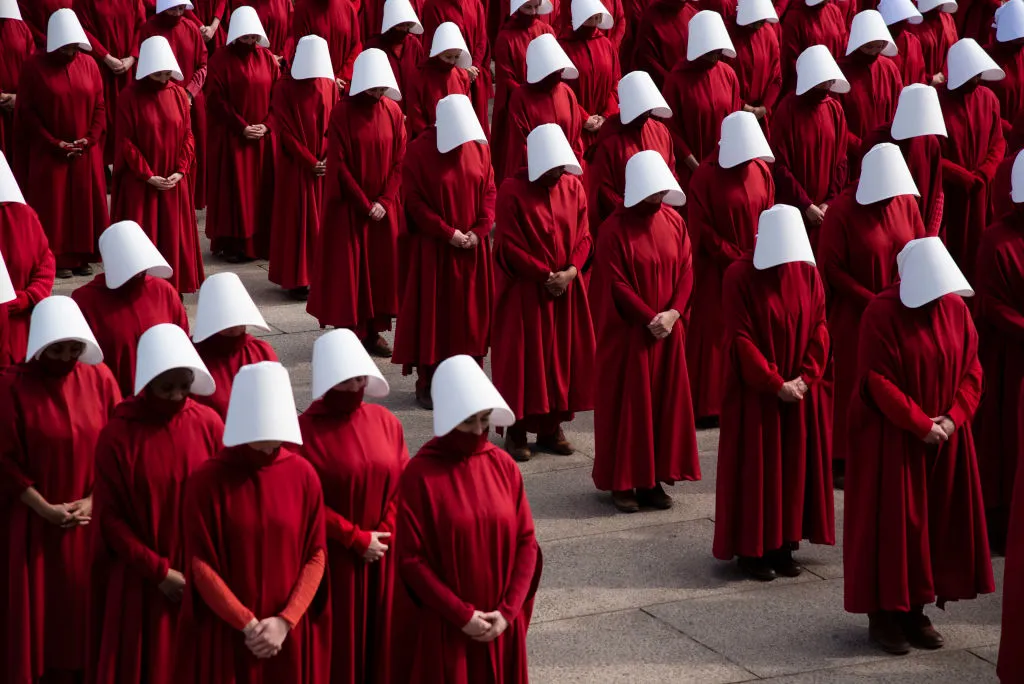
If The Handmaid’s Tale has always belonged to Elisabeth Moss, Season 6 cements her performance as one of the defining achievements in television history. Moss does not rely on grand speeches or theatrical outbursts. Instead, she communicates entire emotional landscapes through silence, stillness, and restraint.
What makes her performance extraordinary in this final season is its maturity. June is no longer fueled by blind rage. She is exhausted, scarred, and painfully aware that victory rarely looks like justice. Moss plays this evolution with devastating precision, reminding audiences that revolution is not glamorous—it is lonely.
Adding to the significance, Moss also directs several key episodes, including the season premiere and finale. Her direction mirrors her performance: intimate, unflinching, and deeply human.
Serena Joy: Redemption or Illusion?
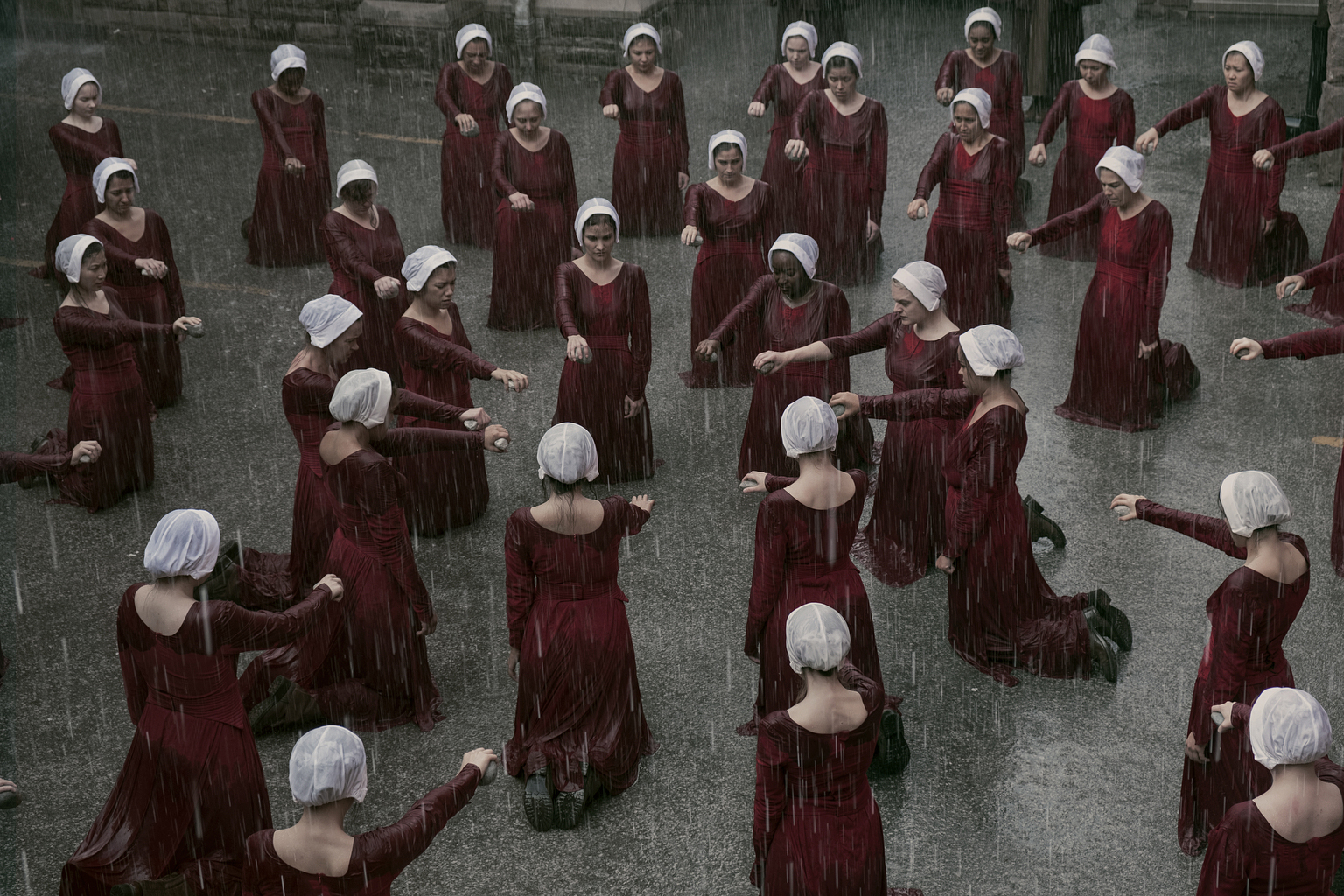
One of Season 6’s most compelling arcs belongs to Serena Joy Waterford, portrayed by Yvonne Strahovski. Long one of television’s most complex antagonists, Serena enters the final season stripped of power, protection, and certainty.
The brilliance of Season 6 lies in its refusal to simplify Serena’s story. The series does not offer easy redemption, nor does it reduce her to a villain deserving only punishment. Instead, it confronts the uncomfortable reality that systems of oppression are often built by people who believe they are right.
Strahovski delivers a nuanced performance that captures Serena’s internal conflict—her desperation to survive, her longing for relevance, and her inability to fully escape the ideology she helped create. Season 6 asks viewers to grapple with a difficult question: Can someone who helped build a nightmare ever truly awaken from it?
Aunt Lydia: Power Reimagined
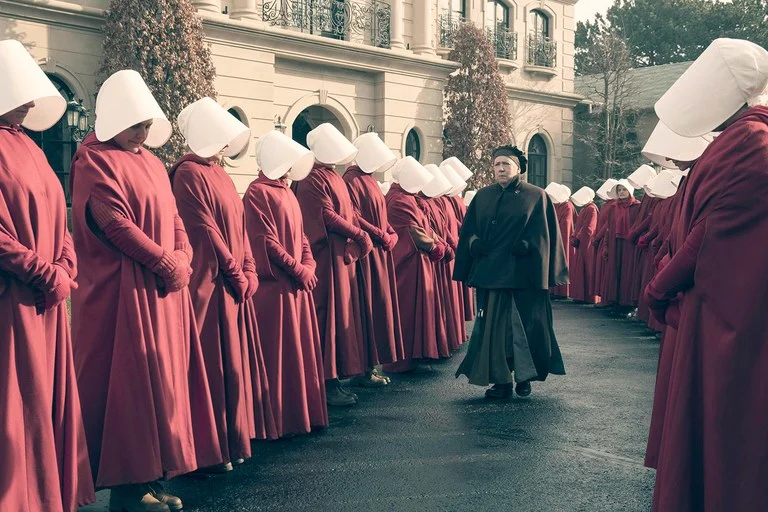
Ann Dowd’s Aunt Lydia remains one of the most fascinating figures in the series, and Season 6 gives her some of the most unexpected development yet. No longer merely an enforcer of Gilead’s cruelty, Lydia becomes a character navigating moral contradictions and strategic survival.
Dowd’s performance is chilling not because of violence, but because of control. Aunt Lydia understands power better than almost anyone, and Season 6 explores how that understanding can be weaponized in subtle, devastating ways. Her arc quietly lays the groundwork for what is to come in the franchise’s future, particularly the upcoming sequel series The Testaments.
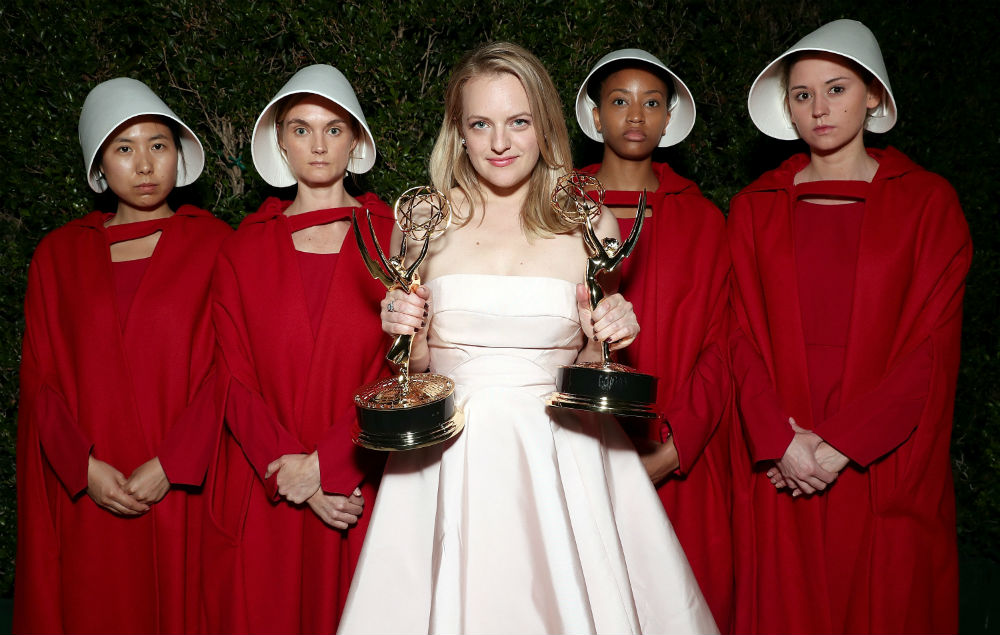
Themes That Cut Deeper Than Ever
What makes The Handmaid’s Tale – Season 6 resonate so strongly is its thematic focus. This is not a season about shock value. It is about consequences.
The series explores:
-
The psychological toll of prolonged resistance
-
The blurred line between justice and vengeance
-
The generational impact of authoritarian systems
-
The quiet strength of collective action
Season 6 understands that revolutions do not end with a single victory. They leave behind trauma, unresolved guilt, and unanswered questions. The show refuses to offer a fairy-tale ending, choosing instead a conclusion rooted in realism and emotional truth.
Visual Storytelling at Its Peak
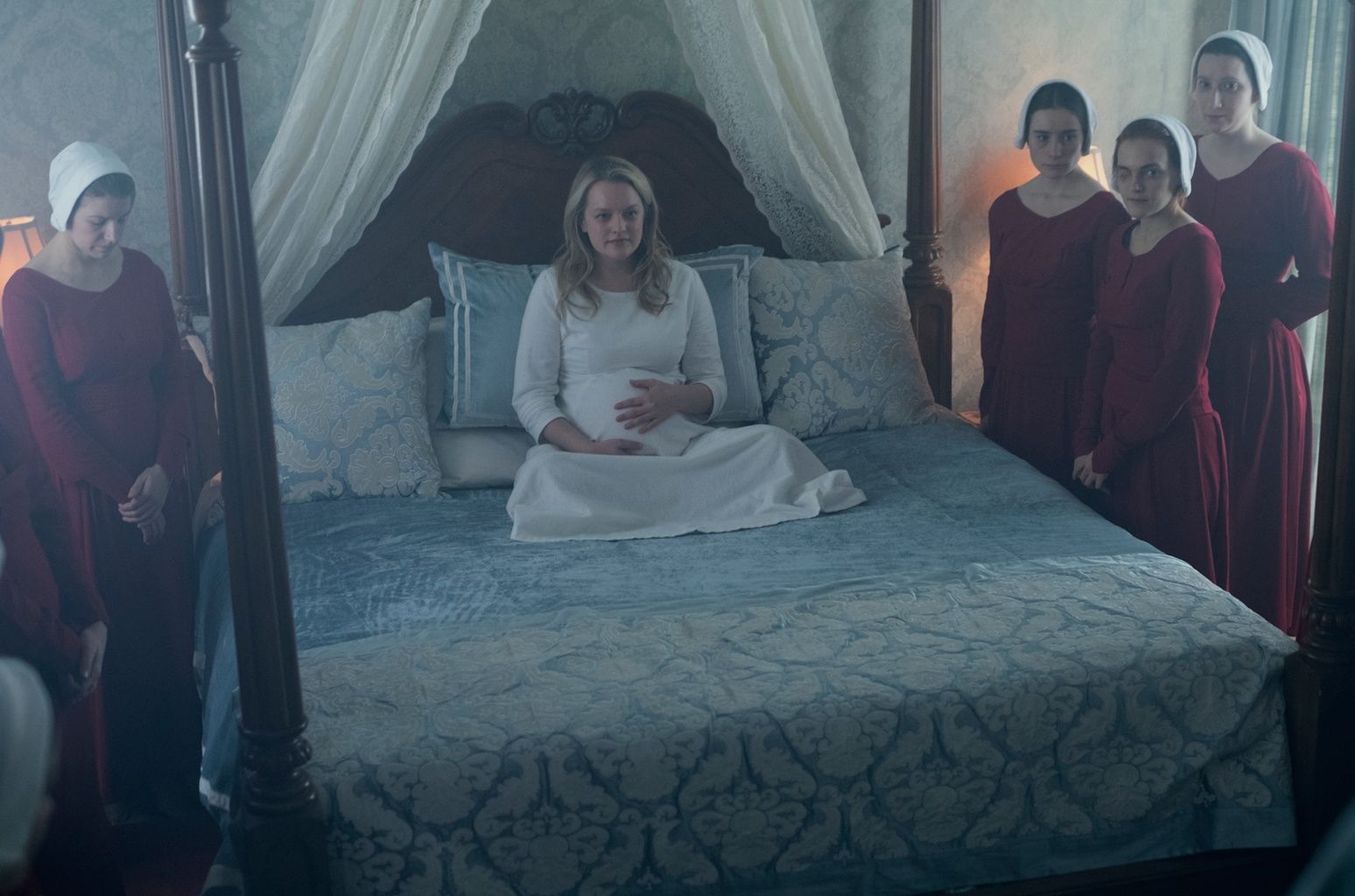
Visually, Season 6 is among the most striking of the entire series. The cinematography leans heavily into contrast—light against shadow, silence against chaos. Gilead’s iconic red, once a symbol of control, becomes a reminder of a system losing its grip.
The use of close-ups remains one of the show’s most effective techniques. Faces tell the story more often than dialogue, allowing the audience to feel every moment of fear, resolve, and regret. The final episodes, in particular, are staged with a cinematic scale that feels closer to a political war film than a traditional television drama.
A Legacy That Will Endure
As The Handmaid’s Tale comes to an end, its impact is impossible to ignore. Few series have shaped cultural conversations so profoundly or reflected real-world anxieties with such clarity. Season 6 does not try to be comforting. It does not reassure the audience that everything will be fine.
Instead, it leaves viewers with something far more powerful: responsibility.
Responsibility to remember.
Responsibility to question authority.
Responsibility to protect freedom before it disappears.
Final Thoughts
The Handmaid’s Tale – Season 6 is a bold, emotionally devastating conclusion to one of the most important television series of the 21st century. It honors its characters, respects its audience, and refuses to compromise its message for easy resolution.
This final season does not shout. It whispers—and that whisper lingers long after the screen fades to black.
Rating: ★★★★★
Verdict: A haunting, intelligent, and unforgettable farewell to a story that never stopped feeling dangerously relevant.