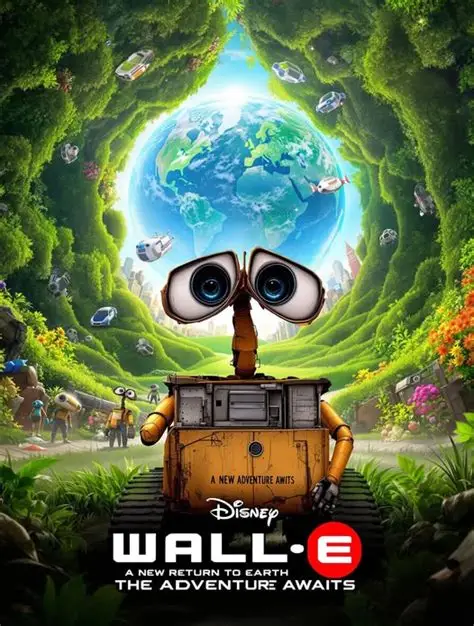
A Sequel That Does Not Exist—Yet Refuses to Disappear
In recent months, the title Wall-E 2: Restored Earth (2026) has spread rapidly across social media. Posters, short descriptions, and emotional summaries claim that Pixar is preparing a long-awaited sequel to one of its most beloved films. The idea feels irresistible. A healed Earth. Humanity returning home. Wall-E and EVE reunited in a green world.
Yet the truth is more complex.
There is no official announcement from Pixar or Disney confirming Wall-E 2. What exists instead is something just as fascinating: a collective imagination. A fan-driven desire to revisit a world that felt painfully close to reality—and still does.
This article explores why Wall-E 2: Restored Earth has become viral despite not being real, and why the concept continues to resonate so deeply with audiences around the world.
Why WALL-E Never Let Go of Us
Released in 2008, WALL-E was more than an animated film. It was a quiet warning wrapped in tenderness. With minimal dialogue, Pixar told a story about loneliness, consumerism, environmental collapse, and love that survives even after civilization fails.
The film ended not with destruction, but with a fragile hope: humanity returning to Earth, ready to begin again.
That ending planted a question in viewers’ minds—what happens next?
Pixar answered that question by choosing silence. They allowed the ending to breathe. But audiences never stopped wondering.
The Birth of “Restored Earth”
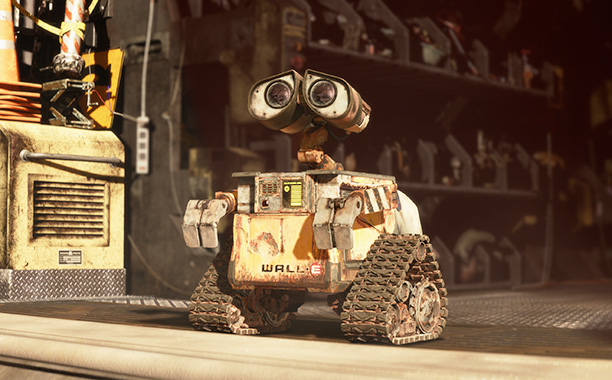
The viral concept known as Wall-E 2: Restored Earth did not come from a studio. It emerged organically from fan art, speculative posts, and emotionally charged captions online.
The imagined story is simple and powerful:
-
Earth has slowly recovered
-
Plants grow freely again
-
Humans struggle to relearn responsibility
-
Wall-E and EVE witness a world reborn
The title “Restored Earth” alone carries enormous emotional weight. It promises healing, forgiveness, and growth—ideas desperately needed in a time of climate anxiety.
The concept feels real because it feels necessary.
Pixar’s Official Silence—and Why It Matters
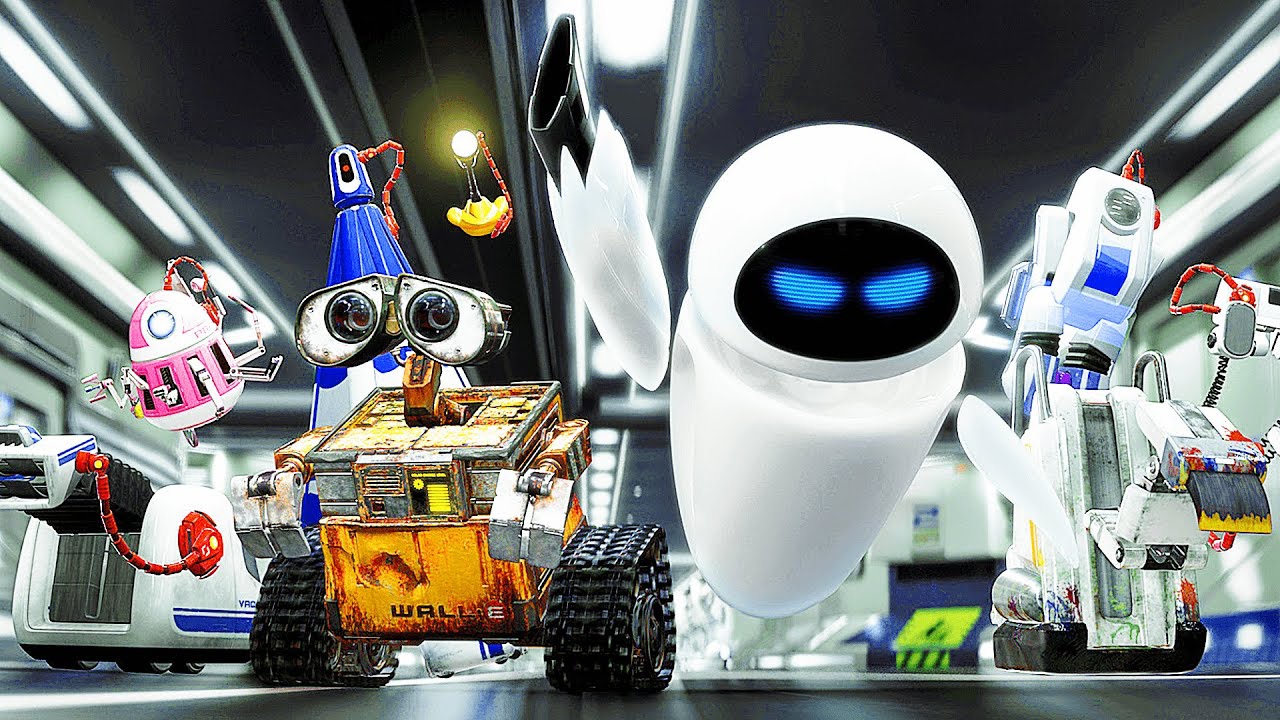
Pixar leadership has stated in interviews that WALL-E was designed as a complete story. The love between Wall-E and EVE had a beginning, conflict, and resolution. According to the studio, a sequel risks weakening the original message.
This refusal has only fueled speculation.
In an era where nearly every successful film receives a sequel, Pixar’s restraint feels unusual. But it also preserves the integrity of WALL-E as a standalone masterpiece.
Ironically, that artistic restraint has allowed fans to take ownership of the future themselves.
A Mirror of the Real World
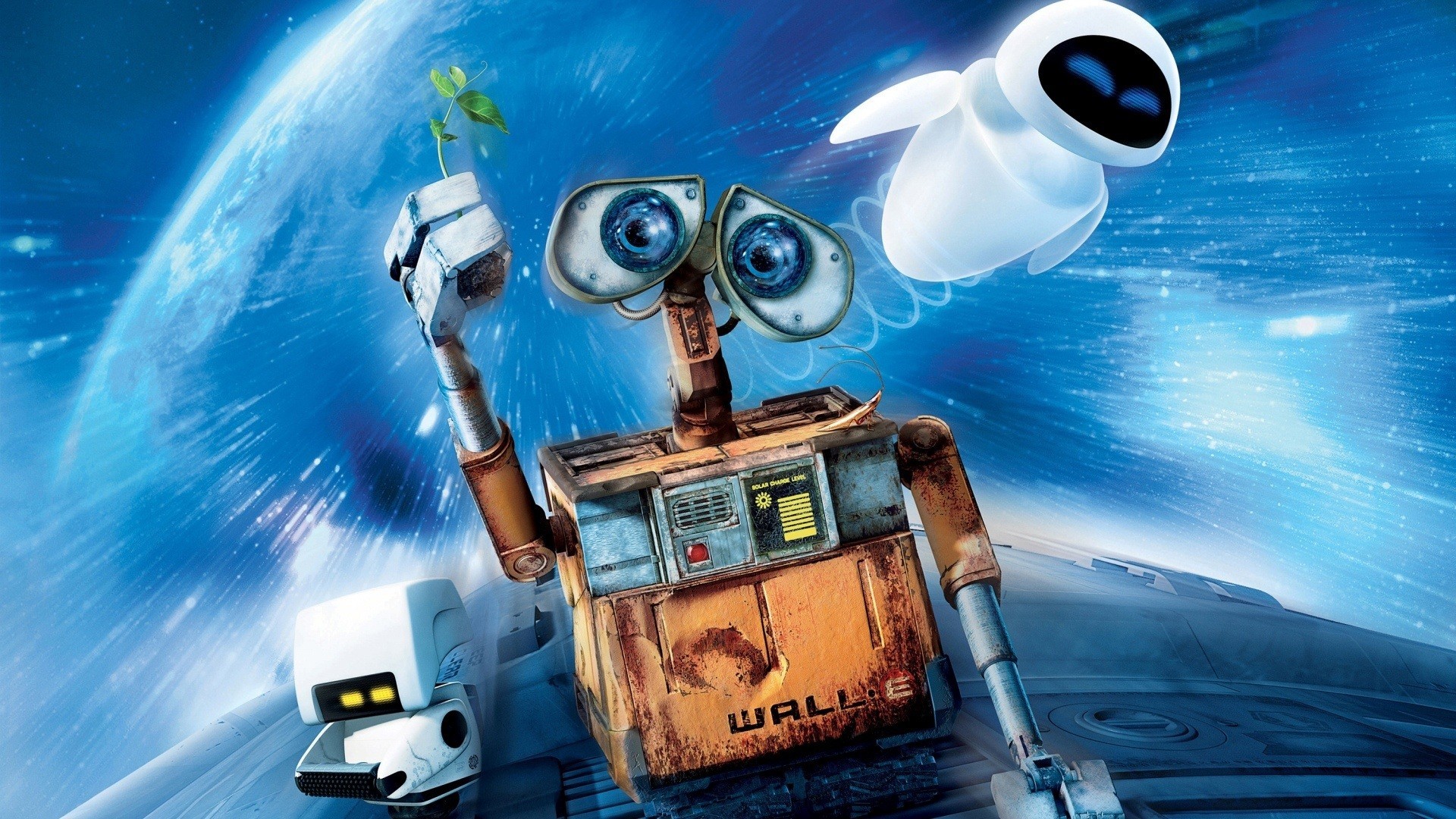
The reason Wall-E 2 feels believable is because reality is catching up to fiction.
Climate change, waste, automation, and human disconnection are no longer abstract ideas. They are daily headlines. Revisiting Wall-E’s world feels less like fantasy and more like reflection.
“Restored Earth” is not just a sequel idea—it is a question:
Can humanity actually change?
Fans are not asking for more spectacle. They are asking for reassurance.
A Viral Sequel Without Permission
Wall-E 2: Restored Earth represents a new phenomenon: stories that live without studios.
It exists in posters, captions, short videos, and imagined trailers. No budget. No cast announcements. No official logo.
And yet, millions believe in it.
That belief speaks to the emotional power of WALL-E—and to the audience’s hunger for hopeful futures.
Final Thought
Wall-E 2: Restored Earth (2026) may not be real, but the desire behind it is. It proves that WALL-E did not end when the credits rolled.
Sometimes, the most powerful sequels are the ones audiences write in their hearts.