
Introduction: A Quiet Film with a Heavy Heart
Goodbye June (2026) is not a loud film.
It does not rely on shocking twists or dramatic speeches.
Instead, it tells its story through silence, shared spaces, and emotions left unsaid.
Directed by Kate Winslet in her first feature film as a director, Goodbye June is a family drama that explores grief in its most honest form. The film focuses on a family forced to reunite when their mother, June, faces the final stage of a terminal illness just before Christmas.
This is not a story about death alone.
It is a story about family, memory, and what remains when time runs out.
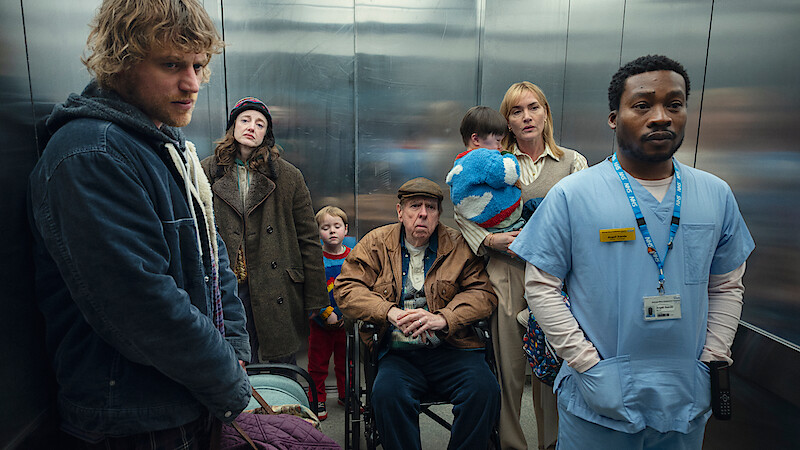
The Story: A Family Comes Back Together
June, played with warmth and strength by Helen Mirren, learns that she has very little time left. Her illness brings her adult children back home after years of emotional distance.
The film follows the family during these final days. They sit in hospital rooms. They argue in kitchens. They share meals that feel both normal and painful.
Each character arrives with emotional baggage they can no longer avoid.
-
Julia (Kate Winslet) takes control of every detail. She believes organization can protect her from pain.
-
Molly (Andrea Riseborough) reacts with anger. She uses conflict to hide her fear of being left behind.
-
Helen (Toni Collette) turns to spirituality. She speaks of peace, but avoids emotional confrontation.
-
Connor (Johnny Flynn) stays quiet. His grief lives in small gestures rather than words.
The film does not rush their conflicts. It allows tension to build naturally, just as it does in real families.

June: The Emotional Center of the Film
June stands at the heart of the story.
She does not play the role of a fragile victim.
She jokes with doctors.
She challenges her children.
She chooses when to be strong and when to let her guard down.
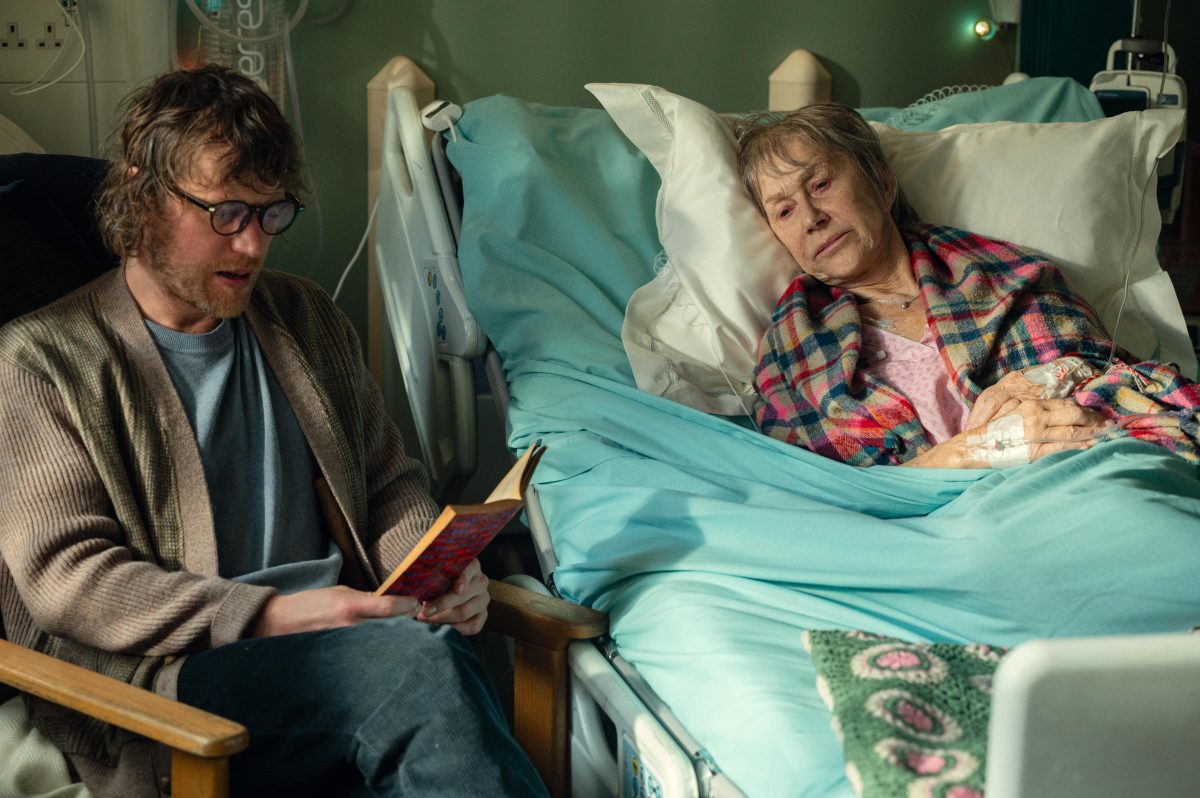
Helen Mirren gives June a calm authority that anchors every scene. Even when she lies in a hospital bed, her presence fills the room. She understands that her time is limited, but she refuses to let fear control her final days.
June does not ask for forgiveness.
She does not offer long speeches.
Instead, she gives her family something more important: honesty.

Family Conflict and Emotional Truth
One of the film’s greatest strengths lies in how it presents family conflict.
Arguments do not feel staged.
They feel unfinished, awkward, and real.
Siblings interrupt each other.
They reopen old wounds.
They say the wrong thing at the wrong time.
The film shows how grief brings out different sides of love. Some characters cling too tightly. Others pull away. None of them handle the situation perfectly.
Goodbye June understands a simple truth:
Love does not erase resentment.
Grief does not create instant forgiveness.
Direction and Visual Style
Kate Winslet directs the film with restraint and care. She avoids dramatic camera movements and loud music. Instead, she keeps the camera close to faces and hands.
The setting plays a key role. Hospitals and family homes feel small and quiet. These spaces trap the characters together and force emotional honesty.
Silence becomes just as important as dialogue.
Long pauses allow emotions to surface naturally.
This approach gives the film a documentary-like realism that strengthens its emotional impact.
Themes: Grief, Time, and Letting Go
At its core, Goodbye June explores how people face the idea of losing someone they love.
The film shows that grief does not follow rules.
It arrives early.
It changes shape.
It refuses to wait for permission.
Time becomes a constant presence. Christmas approaches, but celebration feels empty. The characters realize that moments matter not because they last, but because they are shared.
The film also challenges the idea of closure. Not every relationship heals. Not every conversation reaches a clean ending.
Sometimes, love continues without answers.
Performances That Feel Lived-In
The ensemble cast delivers grounded and believable performances.
-
Kate Winslet portrays Julia with quiet tension and emotional weight.
-
Andrea Riseborough brings raw energy and unpredictability to Molly.
-
Toni Collette balances calm detachment with hidden pain.
-
Johnny Flynn offers one of the film’s most touching performances through restraint.
Together, they create a family that feels real rather than scripted.
Conclusion: A Film That Stays with You
Goodbye June (2026) does not aim to comfort its audience.
It aims to reflect life as it is.
The film understands that saying goodbye is rarely clean or complete. Loss leaves marks that time does not fully erase.
By the final scene, the audience does not feel like they watched a story end. Instead, they feel like they witnessed a moment in a family’s life — one that will continue long after the screen fades to black.
This is a quiet film.
But its emotions echo long after it ends.