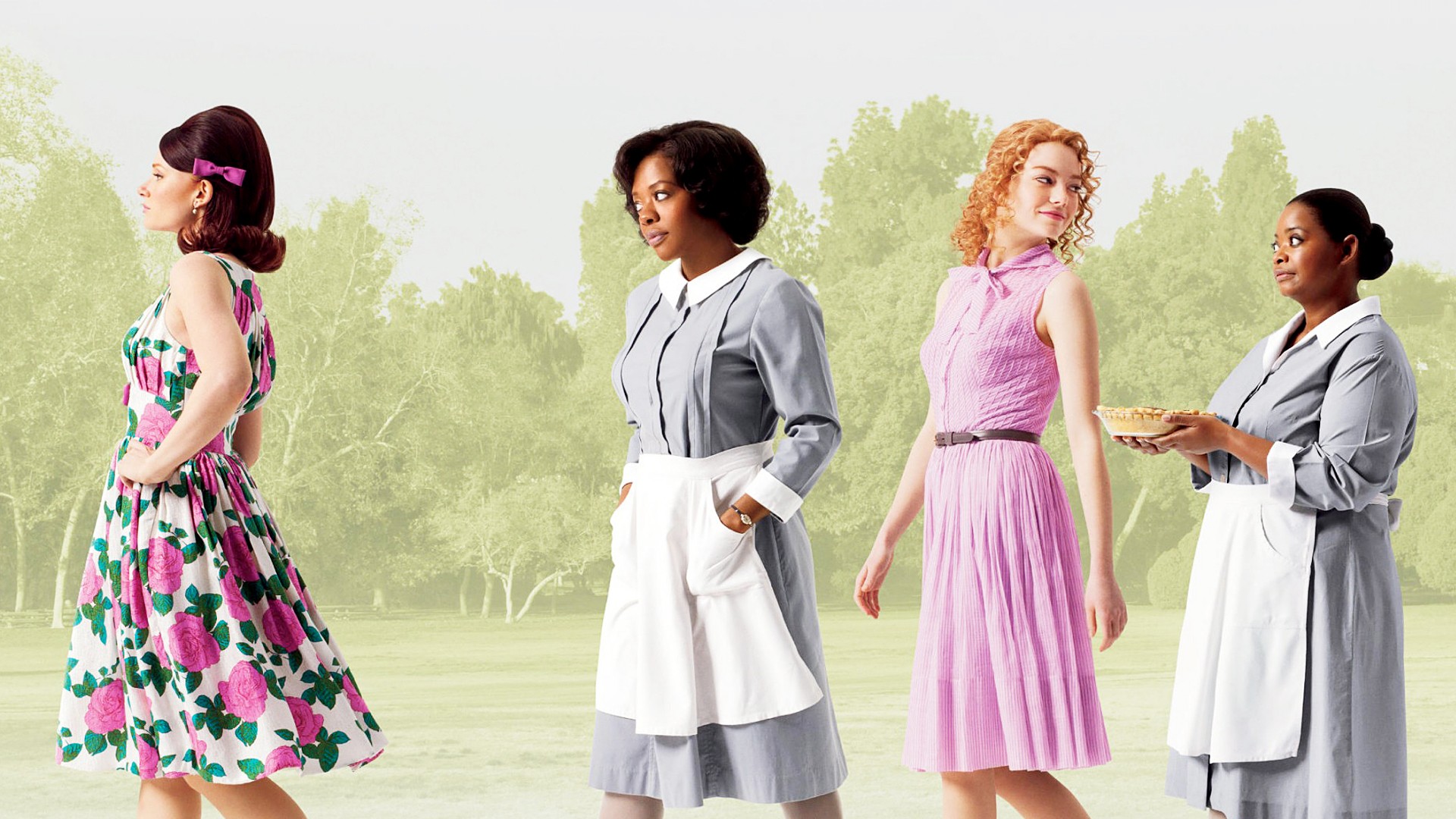
Set in Jackson, Mississippi during the early 1960s, The Help (2011) is more than a period drama — it is a cinematic act of listening. Directed by Tate Taylor, the film transforms everyday conversations, whispered truths, and domestic spaces into a powerful narrative about race, courage, and dignity.
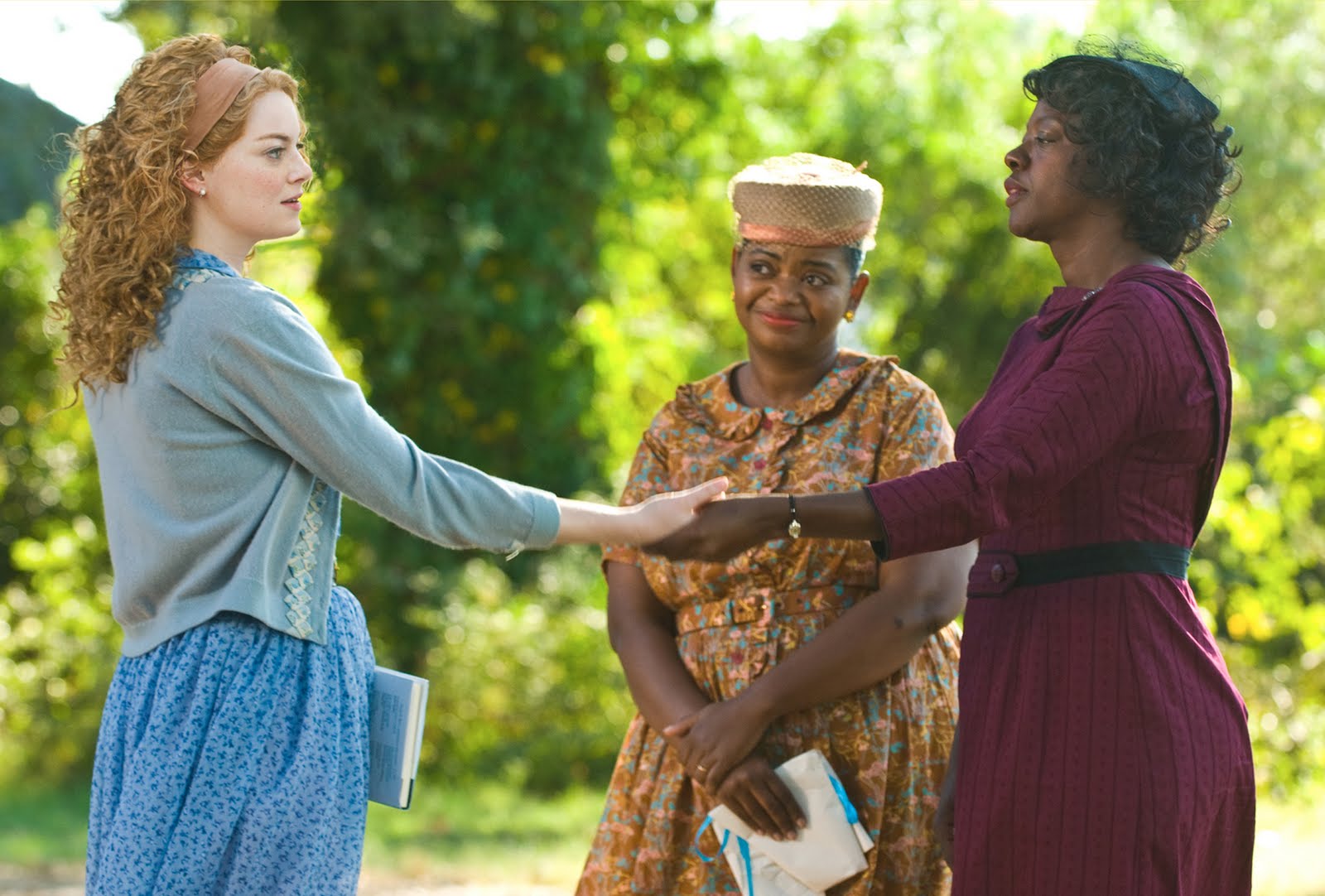
At its core, The Help tells the story of African American maids who spend their lives raising white families while remaining invisible within them. Through the eyes of Eugenia “Skeeter” Phelan, a young white journalist determined to tell the truth, the film opens a door to voices that history often muted. Yet the emotional weight of the story belongs to Aibileen Clark and Minny Jackson, whose lives carry generations of pain and resilience.
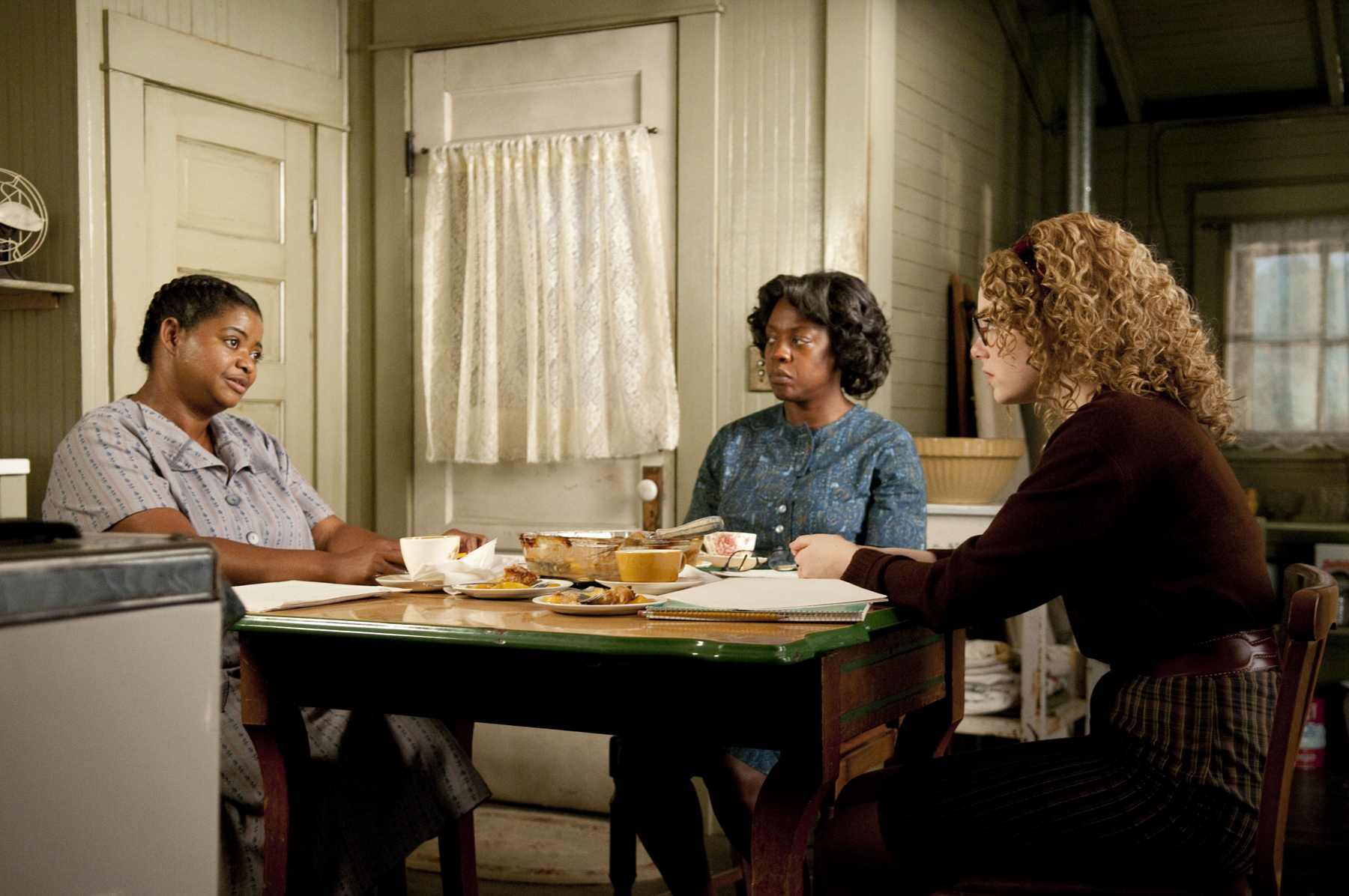
Viola Davis delivers a restrained, devastating performance as Aibileen. Her silences speak louder than dialogue. Each pause reflects years of suppression, fear, and quiet strength. Octavia Spencer’s Minny, by contrast, brings sharp wit and emotional fire, using humor as both shield and weapon. Together, their performances ground the film in humanity rather than rhetoric.
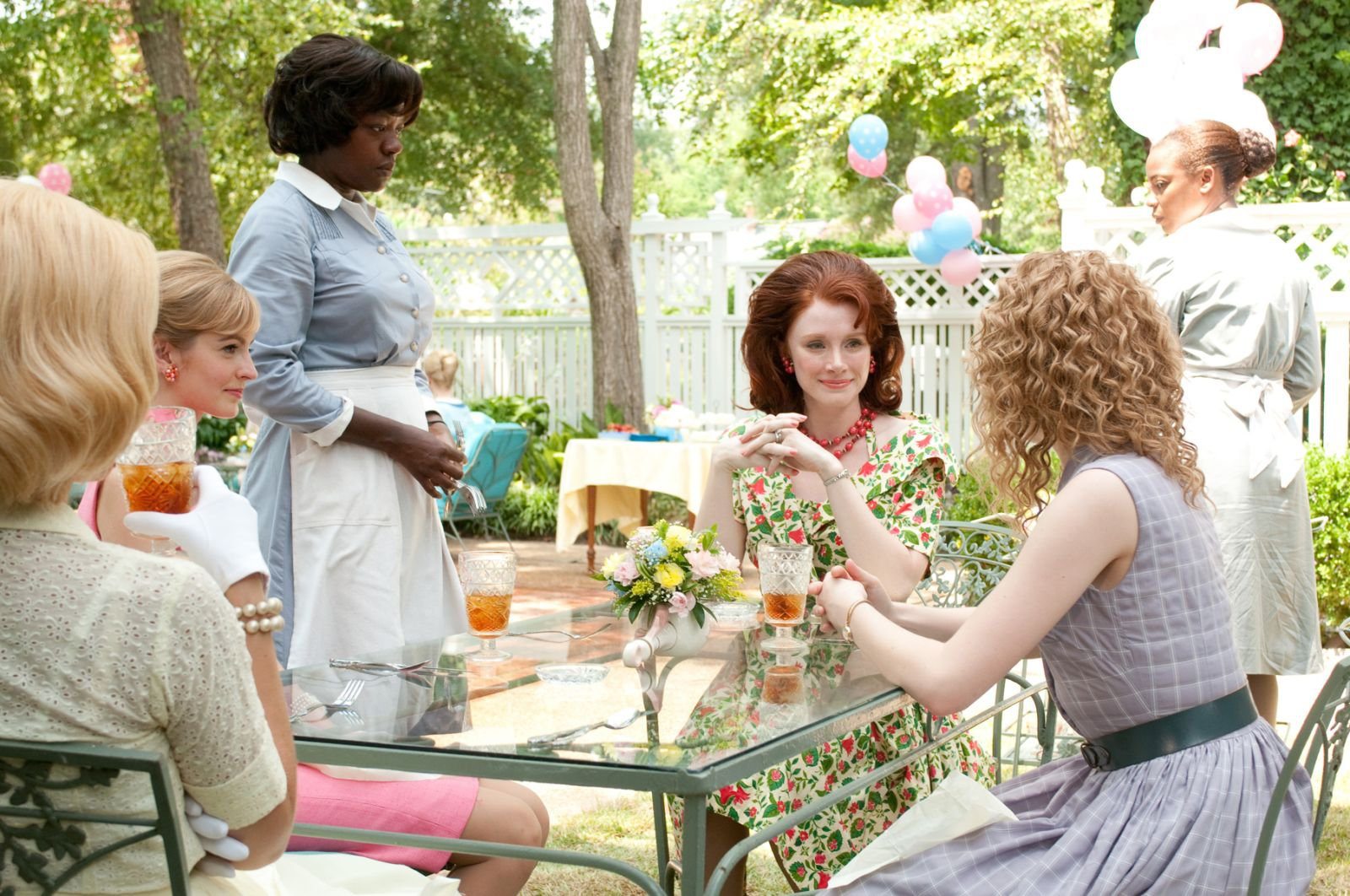
Visually, The Help adopts a soft, sun-drenched aesthetic. Pastel homes, polished kitchens, and manicured lawns contrast sharply with the emotional injustice unfolding within them. The camera often lingers on faces, allowing the audience to sit with discomfort rather than escape it. This visual restraint reinforces the film’s emotional honesty.
What elevates The Help cinematically is its pacing. The story unfolds deliberately, mirroring the risk involved in telling the truth. Each chapter feels earned. The tension does not come from action, but from consequences — the fear of being seen, heard, or punished.
While the film has sparked debate over perspective and representation, its emotional impact remains undeniable. The Help does not pretend to solve systemic injustice. Instead, it captures a moment when speaking became an act of rebellion.
In cinema, loud revolutions often dominate the screen. The Help reminds us that sometimes, the most powerful changes begin quietly — at kitchen tables, in notebooks, and in voices finally allowed to speak.